Spotting a Fake Patek Philippe Nautilus 5711/1A and 5712/1A
Learn how to authenticate a Patek Philippe Nautilus 5711/1A or 5712/1A with detailed checks on movement, dial, bracelet, and more.
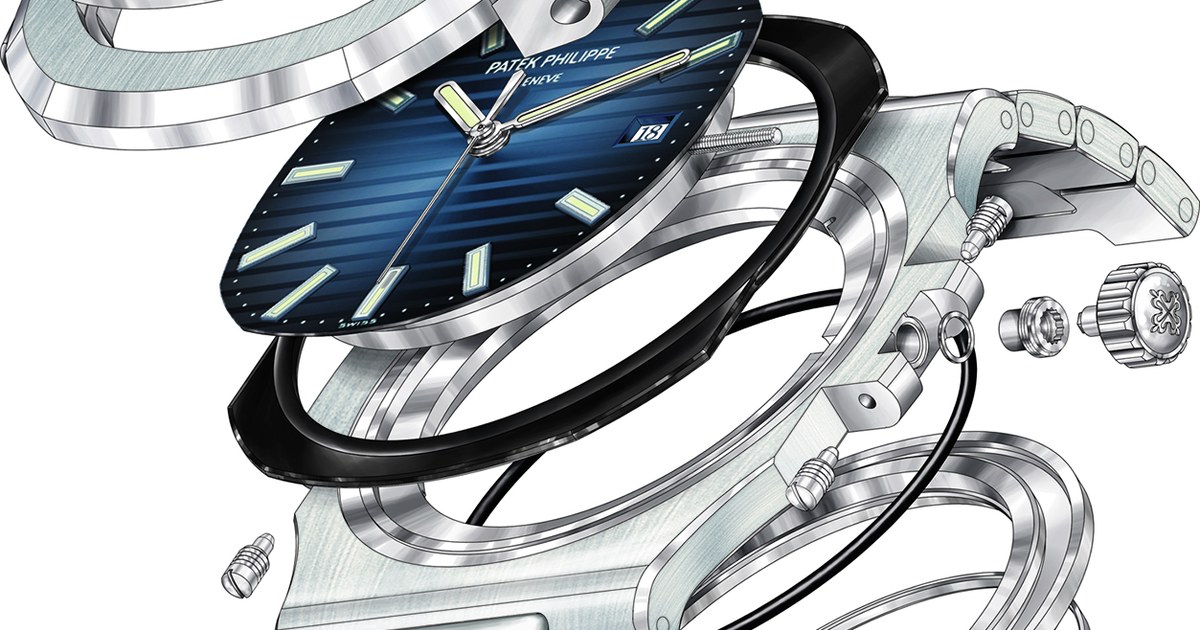
The Patek Philippe Nautilus, particularly the references 5711/1A and 5712/1A, are among the most coveted luxury watches in the world. Their iconic design and prestigious brand heritage make them prime targets for counterfeiters. With the market flooded with replicas, some of which are alarmingly convincing, the risk of purchasing a fake is higher than ever. Given the significant investment these timepieces represent, knowing how to authenticate them is crucial. This guide will equip you with the knowledge to distinguish genuine Patek Philippe Nautilus models from fakes, focusing on the nuances that even skilled counterfeiters often overlook.
Dial Printing and Details
The dial of a genuine Patek Philippe Nautilus 5711/1A or 5712/1A is a masterpiece of precision. The printing should be crisp and perfectly aligned, with the 'Patek Philippe' and 'Geneve' text exhibiting no bleeding or fuzziness. The indices are meticulously applied, with a uniform luminescent coating that emits a bluish-green glow. The date aperture on the 5711/1A is perfectly centred, while the 5712/1A features a moon phase indicator and power reserve sub-dials, all of which should function smoothly and be free of any misalignment.
Movement and Caliber
The Nautilus 5711/1A is powered by the Caliber 324 S C, while the 5712/1A houses the Caliber 240 PS IRM C LU. Both movements are visible through the sapphire caseback and should display the exquisite finishing Patek Philippe is renowned for, including Côtes de Genève, circular graining, and polished screw heads. The rotor on the 5712/1A's micro-rotor movement is engraved with the Calatrava cross, a detail often poorly replicated in counterfeits. Any movement that appears rough or lacks these decorations is a red flag.
Caseback and Engravings
The caseback of the Nautilus should be a clear sapphire crystal, offering an unobstructed view of the movement. The engravings on the caseback, including the reference number and 'Patek Philippe', should be sharp and deeply etched. Fakes may have shallow or uneven engravings, and the sapphire crystal might be replaced with mineral glass, which lacks the same clarity and scratch resistance.
Bracelet and Clasp
The bracelet on a genuine Nautilus is a seamless integration of brushed and polished stainless steel links, with a bracelet code that matches the model. The clasp should close with a satisfying click and feature the Patek Philippe logo, crisply engraved. Counterfeit bracelets often have poor finishing, with rough edges and a clasp that feels flimsy or insecure.
Weight and Feel
A genuine Patek Philippe Nautilus has a substantial weight due to its high-quality materials. The balance of the watch should feel even when worn. Counterfeits often use inferior materials, resulting in a lighter and less balanced feel. Additionally, the Nautilus should exhibit a smooth and silent rotor movement, whereas fakes might produce a noticeable noise when shaken.
Lume Colour and Quality
The lume on a genuine Nautilus is a consistent bluish-green, applied evenly across the hands and indices. It should glow brightly in low light conditions and fade gradually. Counterfeit models may use inferior lume that appears uneven, with a yellowish tint or that fades quickly.
Red Flags at a Glance
- Misaligned dial printing
- Rough movement finishing
- Shallow caseback engravings
- Flimsy bracelet clasp
- Lightweight feel
- Noisy rotor
- Inconsistent lume colour
FAQ
What movement does the Nautilus 5711/1A use?
The Nautilus 5711/1A uses the Caliber 324 S C, known for its precision and fine finishing.
How can I verify the authenticity of the Nautilus bracelet?
Check for a seamless integration of brushed and polished links, a matching bracelet code, and a secure clasp with a crisp Patek Philippe logo.
What should the lume look like on a genuine Nautilus?
The lume should be a consistent bluish-green, applied evenly, glowing brightly and fading gradually.
Are the caseback engravings important?
Yes, genuine engravings are sharp and deeply etched, unlike the shallow or uneven engravings found on fakes.
Why is weight important in verifying authenticity?
A genuine Nautilus has a substantial weight due to high-quality materials, whereas counterfeits often feel lighter due to inferior materials.
Final Word
Authenticating a Patek Philippe Nautilus 5711/1A or 5712/1A requires a keen eye for detail and an understanding of the brand's craftsmanship. While this guide provides essential pointers, it's always wise to seek a second opinion from a certified watchmaker or trusted dealer, especially when dealing with such high-value timepieces. Ensuring authenticity not only protects your investment but also preserves the integrity of owning a genuine Patek Philippe.
Want a second opinion in seconds? Watch Authenticator scans a photo and runs the same checks — dial, crown, rehaut, caseback, movement — flagging anything off. Try it →