Spotting a Fake Richard Mille RM 011: Authenticity Guide
Learn how to identify counterfeit Richard Mille RM 011 watches with expert tips on movement, materials, and engravings.
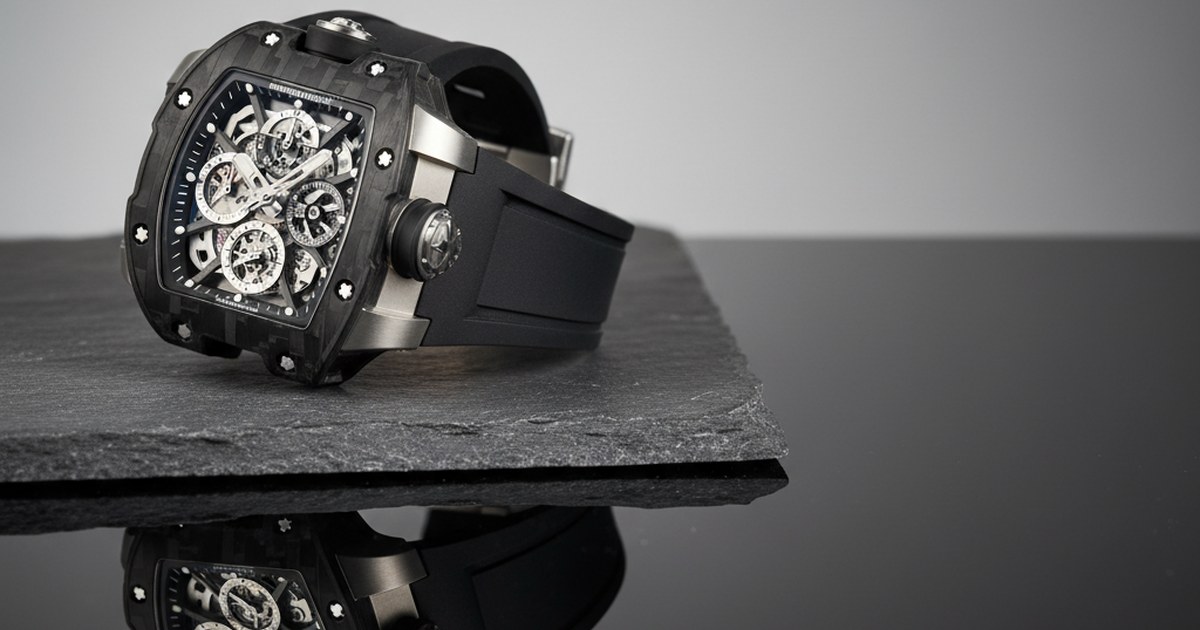
The Richard Mille RM 011 is a masterpiece of modern horology, known for its avant-garde design and technical prowess. However, its high desirability and price tag make it a prime target for counterfeiters. With replicas becoming increasingly sophisticated, it's crucial to know how to distinguish a genuine RM 011 from a fake. The stakes are high; purchasing a counterfeit not only results in a significant financial loss but also diminishes the prestige associated with owning an authentic Richard Mille. This guide will arm you with the knowledge to confidently authenticate an RM 011, focusing on specific details that are often overlooked by counterfeiters.
The Movement Calibre
The Richard Mille RM 011 houses the calibre RMAC1, an automatic flyback chronograph movement. This movement is characterised by its skeletonised design, offering a clear view of its intricate components. Genuine RMAC1 movements feature a distinctive variable geometry rotor and are crafted with a high level of finishing, including polished anglage and perlage on the base plate. Counterfeit movements often lack this level of detail and precision. Additionally, the movement should operate smoothly, with no irregular ticking sounds.
Case Material and Finish
The RM 011 is available in a variety of materials including titanium, red gold, and carbon TPT. Authentic Richard Mille cases are known for their impeccable finish, with no sharp edges or visible machining marks. The surface should be smooth to the touch, and the transition between different materials should be seamless. Counterfeit cases often use inferior materials and exhibit poor finishing, with noticeable discrepancies in texture and colour.
Dial Printing and Details
The dial of the RM 011 is a marvel of precision, featuring a skeletonised design with sub-dials for the chronograph functions. The printing on the dial should be crisp and clear, with no smudging or misalignment. The Richard Mille logo and other text should be perfectly centred and proportioned. Counterfeit dials often have printing errors, with fuzzy edges or incorrect fonts. Additionally, the lume on the markers and hands should glow consistently in low light, with a bright and even illumination.
Crown and Pushers
The crown of the RM 011 is a complex piece, often featuring a rubberised exterior for enhanced grip. It should operate smoothly, with a precise feel when setting the time. The pushers for the chronograph functions should have a firm, tactile response, without any wobble or excessive play. Counterfeit crowns and pushers often feel loose or gritty, lacking the refined action of genuine components.
Caseback Engravings
The caseback of the RM 011 is typically transparent, allowing a view of the movement. It should feature precise engravings, including the Richard Mille logo, reference number, and individual serial number. These engravings should be sharp and deep, with no signs of laser etching or superficial markings. Counterfeit casebacks often have poorly executed engravings, with inconsistent depth and alignment.
Bracelet and Clasp
The RM 011 is often paired with a rubber or titanium bracelet, both of which should fit seamlessly with the case. The bracelet should be flexible yet sturdy, with no signs of excessive wear or stretching. The clasp should close securely, with a satisfying click, and feature the Richard Mille logo engraved with precision. Counterfeit bracelets may have rough edges or an ill-fitting clasp, indicating inferior craftsmanship.
Weight and Balance
An authentic RM 011 should feel substantial yet balanced on the wrist, thanks to its use of high-quality materials. The weight should be evenly distributed, with no top-heavy sensation. Counterfeit watches often feel lighter or unbalanced, due to the use of cheaper materials and less precise engineering.
Sound and Movement Operation
When winding the RM 011, the movement should produce a smooth, almost silent sound, indicative of its high-quality construction. The rotor should move freely without any grinding noise. Counterfeit movements may produce irregular or loud ticking, betraying their inferior build quality.
Red Flags at a Glance
- Inferior case material and finish
- Misaligned or fuzzy dial printing
- Loose or gritty crown action
- Poorly executed caseback engravings
- Ill-fitting bracelet or clasp
- Unbalanced weight distribution
- Loud or irregular movement sound
FAQ
What movement does the RM 011 use?
The RM 011 uses the calibre RMAC1, an automatic flyback chronograph movement known for its skeletonised design and high-quality finishing.
How can I verify the case material of an RM 011?
Authentic RM 011 cases are made from materials like titanium, red gold, and carbon TPT, featuring a smooth finish with no sharp edges or machining marks.
What should I look for in the dial of an RM 011?
The dial should have crisp printing, perfectly centred text, and consistent lume. Any misalignment or fuzzy edges are red flags.
How should the crown and pushers feel on a genuine RM 011?
The crown should operate smoothly with a precise feel, and the pushers should have a firm, tactile response without any wobble.
What are the signs of a counterfeit RM 011 caseback?
Look for poorly executed engravings with inconsistent depth and alignment. Genuine casebacks have sharp, deep engravings.
Final Word
Authenticating a Richard Mille RM 011 requires a keen eye for detail and an understanding of the brand's high standards. While this guide provides a comprehensive overview, it's always wise to seek a second opinion from a reputable watch expert or authorised dealer. Their experience can provide additional assurance and help you make a confident purchase decision.
Want a second opinion in seconds? Watch Authenticator scans a photo and runs the same checks — dial, crown, rehaut, caseback, movement — flagging anything off. Try it →