Spotting a Fake Rolex Daytona 116500LN & 126500LN
Learn to identify counterfeit Rolex Daytona 116500LN & 126500LN models using expert authentication techniques.
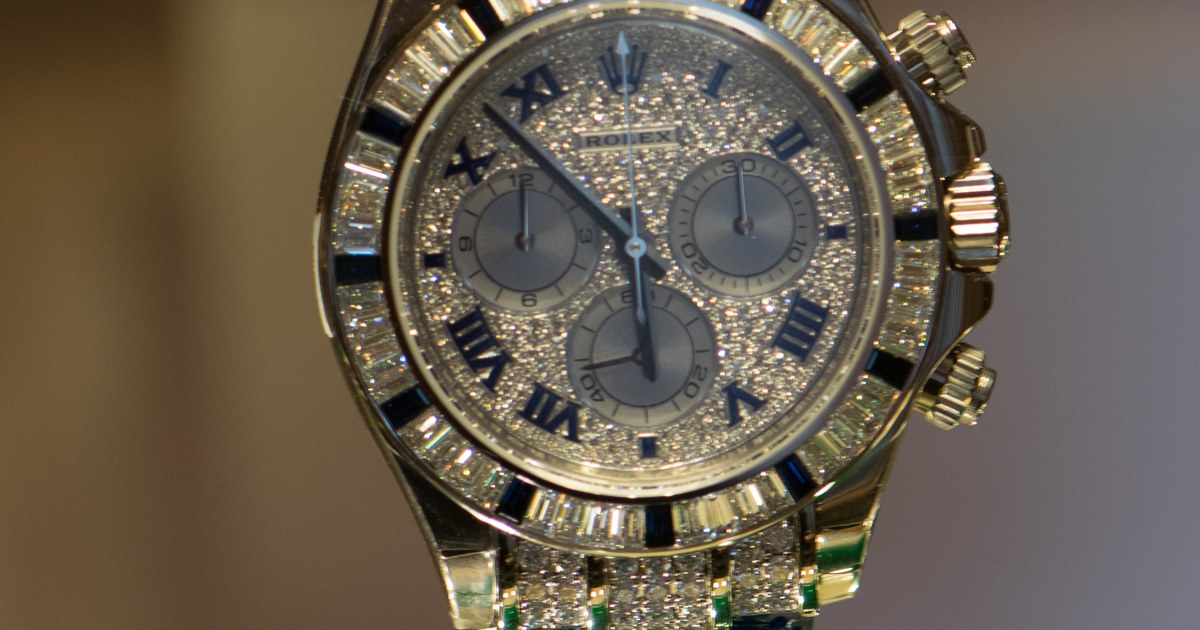
The Rolex Daytona, particularly the 116500LN and 126500LN references, is a highly sought-after timepiece, making it a prime target for counterfeiters. With the rise of super-clones, these replicas can closely mimic the genuine article in terms of weight, movement, and even materials. However, discerning collectors can still identify fakes through meticulous examination of micro-details. As of 2023, the 116500LN uses the calibre 4130, while the 126500LN, introduced in 2023, features the updated calibre 4131. Understanding these nuances is crucial for any potential buyer, especially given the significant investment involved.
Movement Calibre Verification
The Rolex Daytona 116500LN is equipped with the calibre 4130, a self-winding mechanical movement known for its precision and reliability. The newer 126500LN, released in 2023, houses the calibre 4131. To authenticate the movement, a watchmaker can open the caseback and verify the calibre number engraved on the movement itself. Be wary of any watch that claims to be a 126500LN but does not have the 4131 calibre, as this is a clear indicator of a counterfeit.
Ceramic Bezel Inspection
Both the 116500LN and 126500LN feature a black Cerachrom bezel with an engraved tachymetric scale. The engraving should be crisp and precise, with a platinum coating that gives a subtle sheen. Counterfeit bezels often have uneven engravings or lack the lustre of genuine platinum coating. Examine the numerals and markings closely for consistency and depth.
Dial and Sub-dial Details
The dial of the Daytona should exhibit perfect alignment of the sub-dials and applied indices. The printing on the dial should be sharp, with no bleeding or misalignment. Pay special attention to the Rolex crown logo at 12 o'clock; it should be perfectly centred and proportionate. Super-clones may have slight misalignments or printing that appears too thick or thin under magnification.
Bracelet and Clasp Codes
The Oyster bracelet on these models should have a code stamped inside the clasp, which should match the model's published code from Rolex's service literature. The bracelet should also exhibit tight tolerances and a smooth finish. Any rough edges or excessive play between links can indicate a counterfeit. The clasp should close securely with a distinct click.
Caseback Examination
The Daytona 116500LN and 126500LN both feature a solid caseback. Any Daytona with a display or sapphire caseback is immediately suspect. The caseback should be smooth with a brushed finish and no engravings. Any deviations, such as engravings or a transparent back, are red flags for counterfeits.
Rehaut Engraving Precision
Rolex engraves the rehaut (the inner flange of the watch) with the word 'ROLEX' and the serial number. This engraving should be precise and evenly spaced, with the serial number perfectly aligned with the 6 o'clock position. Counterfeits may have uneven or shallow engravings that lack the crispness of genuine Rolex craftsmanship.
Red Flags at a Glance
- Incorrect calibre: 126500LN without 4131 → fake
- Display caseback on Daytona → fake
- Misaligned sub-dials or indices
- Uneven or shallow rehaut engraving
- Bracelet clasp code mismatch
FAQ
What movement does the Rolex Daytona 116500LN use?
The Rolex Daytona 116500LN uses the calibre 4130 movement.
How can I verify the bezel on a Daytona 126500LN?
Check for crisp, evenly engraved numerals with a platinum coating on the Cerachrom bezel.
Is a transparent caseback ever authentic on a Daytona?
No, both the 116500LN and 126500LN have solid casebacks. A transparent caseback indicates a fake.
Final Word
Authenticating a Rolex Daytona, particularly the 116500LN and 126500LN, requires a keen eye for detail and knowledge of specific model features. While super-clones can be convincing, they often falter in micro-details such as engraving precision and movement calibre. For peace of mind, consider having the watch inspected by an authorised dealer or an independent watchmaker who specialises in Rolex timepieces.
Want a second opinion in seconds? Watch Authenticator scans a photo and runs the same checks — dial, crown, rehaut, caseback, movement — flagging anything off. Try it →